Understanding Electric Forklifts and Their Advantages
In today’s rapidly evolving industrial landscape, electric forklifts have emerged as a cornerstone of efficient material handling. These machines not only enhance productivity but also play a significant role in reducing operational costs and environmental impact. With their advanced technology, electric forklifts represent a shift towards more sustainable practices in warehouses and construction sites alike. For businesses looking to upgrade their equipment, finding the right electric forklift for sale can be crucial to success.
What is an Electric Forklift?
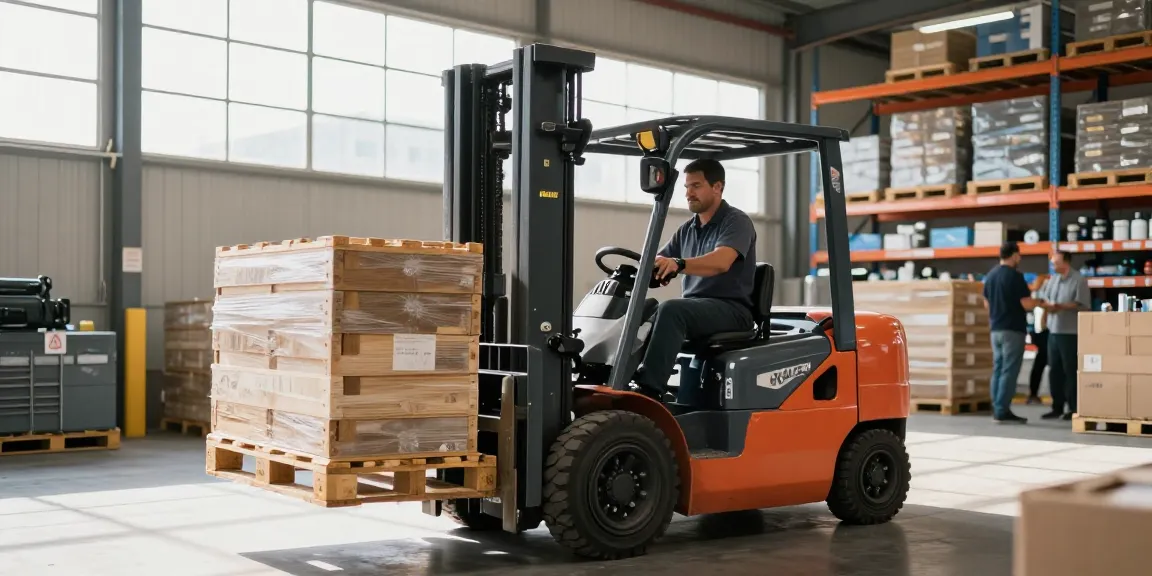
An electric forklift is a type of industrial vehicle specifically designed for transporting heavy materials in warehouses and industrial spaces. Unlike traditional forklifts powered by internal combustion engines, electric forklifts use electric motors and batteries to operate. This configuration allows for quieter operation, reduced emissions, and lower maintenance requirements.
Benefits of Electric Forklifts over Gas and Diesel
Electric forklifts offer numerous advantages compared to their gas and diesel counterparts:
- Reduced Emissions: Electric forklifts produce zero emissions, making them ideal for indoor use in warehouses where air quality is a concern.
- Lower Operating Costs: Electric models generally have lower fuel and maintenance costs over their lifespan.
- Quiet Operation: Electric forklifts operate more quietly than gas-powered machines, reducing noise pollution in the workplace.
- Improved Safety: With fewer moving parts and less vibration, electric forklifts often provide a safer operating environment.
Key Features to Look For in Electric Forklifts
When choosing an electric forklift, consider the following features:
- Battery Life: Look for models with long-lasting battery life to reduce downtime associated with charging.
- Lift Capacity: Ensure the forklift can handle the weight and dimensions of the loads you typically move.
- Maneuverability: Compact designs are beneficial for navigating tight spaces in warehouses.
- Safety Features: Prioritize models that have built-in safety features such as automatic brakes and stability control.
Top Electric Forklifts for Sale in 2026
As we move into 2026, several electric forklift models stand out for their performance, reliability, and user satisfaction. These models are not only equipped with the latest technology but are also designed to meet the diverse needs of various industries.
Best Electric Forklift Models Available this Year
Among the top contenders for electric forklifts this year are:
- TEXLIFT US-TXLT132PRO: Combining power and performance, this model is tailored for heavy-duty lifting tasks in construction and industrial settings.
- Counterbalance Electric Stacker: Designed for stability and high lifting capabilities, this stacker simplifies handling heavy loads without support legs.
- 18ft Electric Scissor Lift: Ideal for tasks requiring elevation, this model supports up to 440 lbs and is compact for easy storage.
Comparative Analysis of Price and Performance
When comparing electric forklifts, it’s essential to evaluate their price against performance metrics such as lifting capacity, battery efficiency, and operational range. Generally, higher-priced models tend to feature better durability and support, making them suitable for intensive applications. However, budget-friendly models still offer great value for lighter usage scenarios.
User Reviews: What Customers are Saying
Customer feedback is invaluable for prospective buyers. Many users highlight the reliability and efficiency of electric forklifts. For instance, one customer stated, “Best decision I made this year was buying my forklift from Texlift, highly recommend them to anyone.” Such endorsements reflect the commitment of suppliers to quality and customer service.
Choosing the Right Electric Forklift for Your Business
Selecting the right electric forklift is a critical step in enhancing your warehouse operations. It demands a deep understanding of your specific material handling needs and the operational environment.
Assessing Your Material Handling Needs
Every business has unique material handling challenges. Consider the types of loads you frequently transport, the layout of your workspace, and whether you require specialized attachments for particular tasks.
Understanding Lift Capacity and Height Requirements
Lift capacity is one of the most crucial parameters when choosing a forklift. Knowing your height requirements is equally important, especially in multi-level warehouse setups. Most electric forklifts can lift anywhere from 3,000 to 6,000 lbs, but evaluating your specific needs is essential to avoid overloading.
Factors Influencing Forklift Selection in Warehousing
Several factors play a role in selecting the right forklift:
- Space Constraints: Evaluate aisle width and height to ensure the forklift can maneuver effectively.
- Type of Goods Handled: Depending on whether you move pallets, boxes, or heavy machinery, choose a model that fits these needs.
- Frequency of Use: If the forklift will be used continuously, investing in a higher-end model could offer better long-term value.
Future Trends in Electric Forklift Technology
The electric forklift industry is on the brink of significant changes, driven by advancements in technology and growing environmental consciousness. Understanding these trends can help your business stay ahead.
Innovations to Expect by 2026
By 2026, we anticipate innovations such as:
- Improved Battery Technologies: Advances in lithium-ion battery technology will lead to more efficient charging and longer operational times.
- Smart Forklifts: Integration of IoT technology will allow for real-time monitoring of performance and maintenance needs.
- Automated Solutions: More forklifts will incorporate automation features, reducing the necessity for manual intervention.
The Role of Automation and IoT in Forklift Operations
Automation is set to revolutionize how forklifts operate. IoT-enabled equipment will offer insights into operational efficiency, enabling predictive maintenance and minimizing downtime. This connectivity will enhance decision-making and resource allocation in warehouses.
Sustainability and Environmental Considerations
As sustainability becomes increasingly important, electric forklifts will likely gain market share over gas-powered options. Their lower carbon footprint aligns well with modern businesses’ commitment to environmental sustainability.
Frequently Asked Questions About Electric Forklifts
This section addresses common queries prospective buyers may have regarding electric forklifts.
What maintenance do electric forklifts require?
Electric forklifts require less maintenance than their gas counterparts. Regular checks on battery health, tire conditions, and brakes can ensure longevity and operational efficiency.
How do electric forklifts compare to internal combustion models?
Electric forklifts provide advantages such as lower emissions, reduced noise, and lower operating costs, while internal combustion models typically offer higher lift capacities and are more suitable for outdoor use.
What are the safety features of modern electric forklifts?
Modern electric forklifts are equipped with numerous safety features, including automatic braking systems, stability control, and visibility enhancements to ensure safe operation.
Are electric forklifts suitable for outdoor use?
While many electric forklifts are designed primarily for indoor use, some models are rugged and can handle outdoor environments. It’s essential to check the manufacturer’s specifications before use.
How do I choose the right battery for my electric forklift?
The right battery choice will depend on your operational needs, including the frequency of use, lift capacity, and desired run time. Always consult your forklift’s specifications and consider options like lithium-ion batteries for longer life and efficiency.