
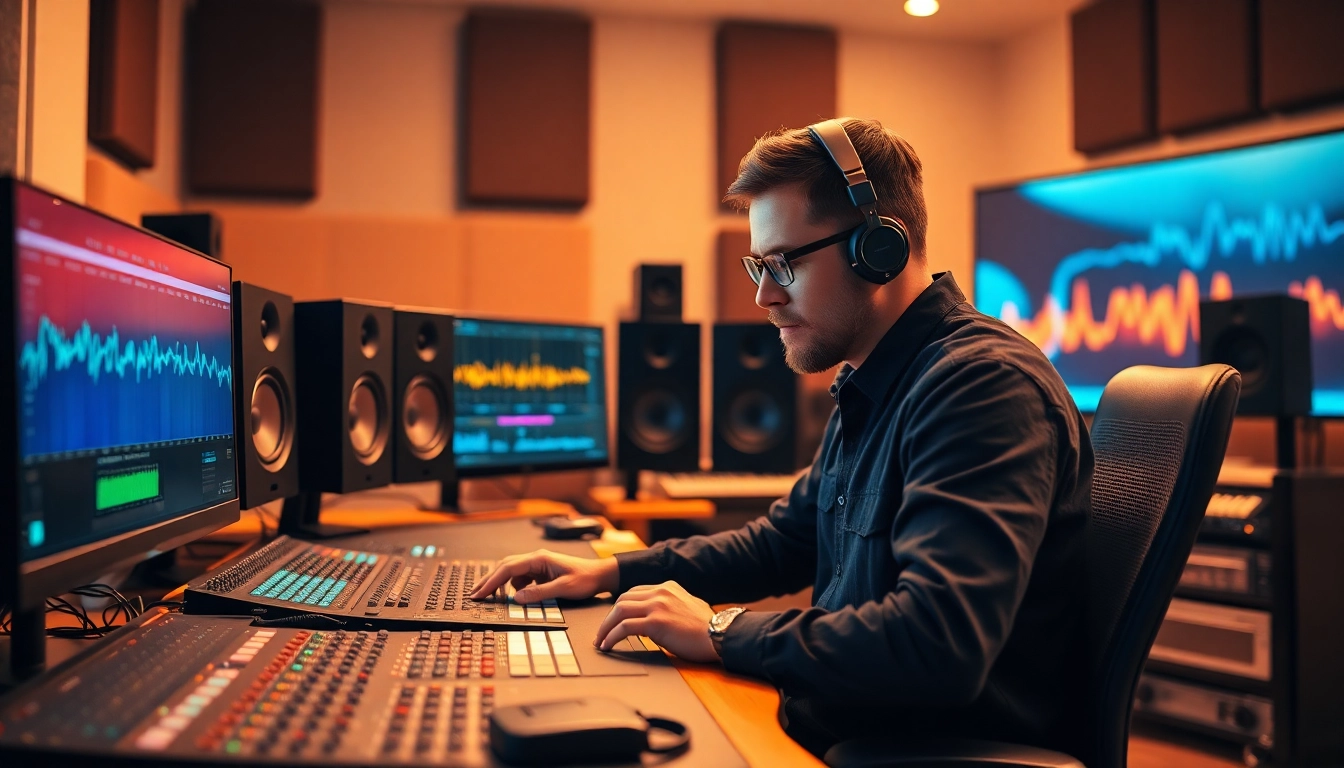
Understanding Online Audio Mastering
Definition and Importance
Online audio mastering is the final step in the music production process, where individual tracks are polished and optimized for various playback systems, ensuring they sound their best. This process involves mastering engineers applying specific techniques to enhance the audio quality, balancing sound levels, and preparing tracks for distribution across platforms such as streaming services, radio, and physical media. The importance of mastering cannot be overstated, as it elevates a mix from just a collection of sounds to a cohesive, professional-sounding piece of art. In today’s digital landscape, the accessibility of online audio mastering has democratized the music industry, allowing independent artists to compete on a global level.
The Process of Online Audio Mastering
The online audio mastering process typically encompasses several steps. First, mastering engineers receive the mixed audio tracks and go through them carefully to assess their sonic elements. The next stage involves critical listening to identify any imbalances in frequency, dynamics, or stereo imaging. Following this analysis, adjustments are made using a combination of software and hardware tools, such as equalizers, compressors, and limiters. The final product is then rendered in formats suitable for distribution, ensuring optimal playback quality.
Common Misconceptions
Many misconceptions surround the concept of online audio mastering. One prevalent myth is that mastering can fix a poorly mixed song. While mastering enhances the overall quality, it cannot compensate for fundamental mix issues. Another misconception is that the mastering process is quick and simple. In reality, effective mastering requires skill, experience, and a trained ear, often taking hours to ensure the best results. Lastly, some believe that online mastering services yield inferior quality compared to in-person sessions; however, when leveraging advanced technology and expert knowledge, online services can achieve exceptional outcomes.
Key Techniques for Quality Mastering
Equalization and Frequency Balancing
Equalization (EQ) is a critical tool in mastering, allowing engineers to adjust the frequency balance of the audio. By enhancing or reducing certain frequency ranges, a track can gain clarity and punch. This process involves using various types of EQs, such as parametric, graphic, or dynamic EQs, each serving specific purposes in achieving a well-balanced frequency spectrum. A fundamental principle is to ensure that low, mid, and high frequencies complement each other, preventing any single range from overpowering the mix.
Dynamic Range Control
Dynamic range control is essential for creating a polished sound that translates well across multiple listening environments. Compression is a common technique used to manage dynamics. It reduces the volume of the loudest parts while increasing quieter segments, resulting in a more uniform listening experience. However, over-compression can lead to a lifeless sound, so it is vital to strike a balance. Additionally, applying multiband compression allows different frequency ranges to be treated individually, preserving the natural dynamics while still achieving a tight sound.
Utilizing Effects for Enhancement
Effects can significantly enhance the overall tone and ambiance of a track. Tools like reverb, delay, and stereo widening are often used sparingly to add depth and space to the audio. While these effects can greatly improve the sonic landscape, it is essential to use them judiciously. Too much reverb can muddy the mix, while excessive stereo widening can result in phase issues. The key is to enhance without overpowering the original sound, keeping the focus on the song’s primary elements.
Choosing the Right Online Audio Mastering Service
Evaluating Service Providers
When choosing an online audio mastering service, it’s crucial to evaluate various aspects of potential providers. Start by examining their online presence and reputation; look for reviews and customer testimonials to gauge their reliability and quality. Another key factor is the experience level of the mastering engineers, as their expertise significantly impacts the end product. Additionally, consider the types of audio formats they support and their turnaround times, as these can affect your overall workflow.
Key Features to Look For
Several features are vital when selecting an online audio mastering service. First, ensure they provide a secure file transfer process, protecting your music during uploads and downloads. Next, check if they offer a variety of mastering options, such as single-track mastering and full album packages, which can cater to different project needs. Lastly, look for services that provide free sample mastering, allowing you to evaluate their quality before committing.
Comparing Pricing and Quality
Pricing can vary widely among different online audio mastering services, so understanding the correlation between cost and quality is essential. Generally, higher prices are associated with more experienced mastering engineers and advanced tools. However, affordability should not sacrifice quality. Comparing multiple services by listening to sample masters can help you determine the best balance between price and quality. Additionally, consider the potential long-term value a good mastering service can bring to your music career.
DIY Online Audio Mastering: Tips and Tricks
Essential Tools and Software
For musicians and producers opting for a DIY approach to audio mastering, having the right tools and software is vital. DAWs (digital audio workstations) such as Logic Pro, Ableton Live, or FL Studio are popular choices that offer powerful mastering capabilities. Other essential software includes dedicated mastering plugins like iZotope Ozone, FabFilter Pro-L, and Waves plugins that provide comprehensive mastering tools. Additionally, investing in good-quality headphones or studio monitors can significantly impact the accuracy of your mastering process.
Step-by-Step Guide to Mastering
Mastering involves several systematic steps to ensure professional results. Begin by importing your final mix into your DAW. The first step is to analyze the track’s levels and dynamics. Next, apply EQ to balance the frequency spectrum, followed by compression for dynamic range control. After that, consider adding stereo imaging effects if necessary. Finally, do a loudness check before exporting your track in the desired formats. Throughout the process, frequent A/B comparisons with reference tracks can help maintain a high standard of quality.
Common Mistakes to Avoid
While mastering can be a rewarding endeavor, several common pitfalls need to be avoided. First, don’t rush the process; take ample time to listen critically and make adjustments. Make sure to avoid frequency masking, which can occur when similar frequencies overlap and cause muddiness. Overuse of processing tools, particularly compression and limiting, should also be avoided as it can rob your track of its dynamic range. Lastly, not referencing well-mastered tracks can lead to a final product that lacks professional polish.
Measuring Success in Online Audio Mastering
Listening Tests and Feedback
Effective mastering is largely subjective, making listening tests and feedback crucial components of the process. Choosing a diverse group of listeners, including fellow musicians and non-professional listeners, can provide varied insights. Encourage them to focus on specific elements, such as clarity, balance, and emotional impact. Their feedback can guide final adjustments, ultimately leading to a polished product that resonates with a broad audience.
Understanding Audio Metrics
Audio metrics play a significant role in evaluating the technical quality of a mastered track. Key metrics include loudness (measured in LUFS), dynamic range (DR), and peak levels. Utilizing tools designed for metering can help ensure that your master meets industry standards, like targeting -14 to -10 LUFS for streaming services. Understanding and interpreting these metrics equips mastering engineers to optimize audio for various playback systems while preserving artistic intent.
Continuous Improvement Techniques
The journey of mastering is one of continuous learning and improvement. Analyzing the successes and shortcomings of previous masters can offer invaluable insights for future projects. Keeping abreast of industry trends, new tools, and techniques through joining forums, attending workshops, or partaking in advanced courses can also substantially enhance skills. Furthermore, soliciting feedback from peers and industry professionals continues to refine one’s mastering process, fostering growth and excellence.
Frequently Asked Questions
What is online audio mastering?
Online audio mastering is the final stage in music production, where tracks are enhanced for optimal sound quality, ensuring they translate well across platforms.
How long does online audio mastering take?
Turnaround time for online audio mastering varies by service but generally takes between 24 hours to a few days, depending on the complexity of the project.
Can I master my music myself?
Yes, with the right tools and software, you can master your music. However, it requires practice and knowledge of audio engineering principles to achieve professional results.
What are the key elements of mastering?
Key elements include equalization, dynamic range control, and applying effects to enhance audio, ultimately preparing tracks for distribution.
How do I know if my master is good?
A good master will sound polished, balanced, and consistent across different playback systems. Conducting listening tests and comparing with reference tracks can help.