
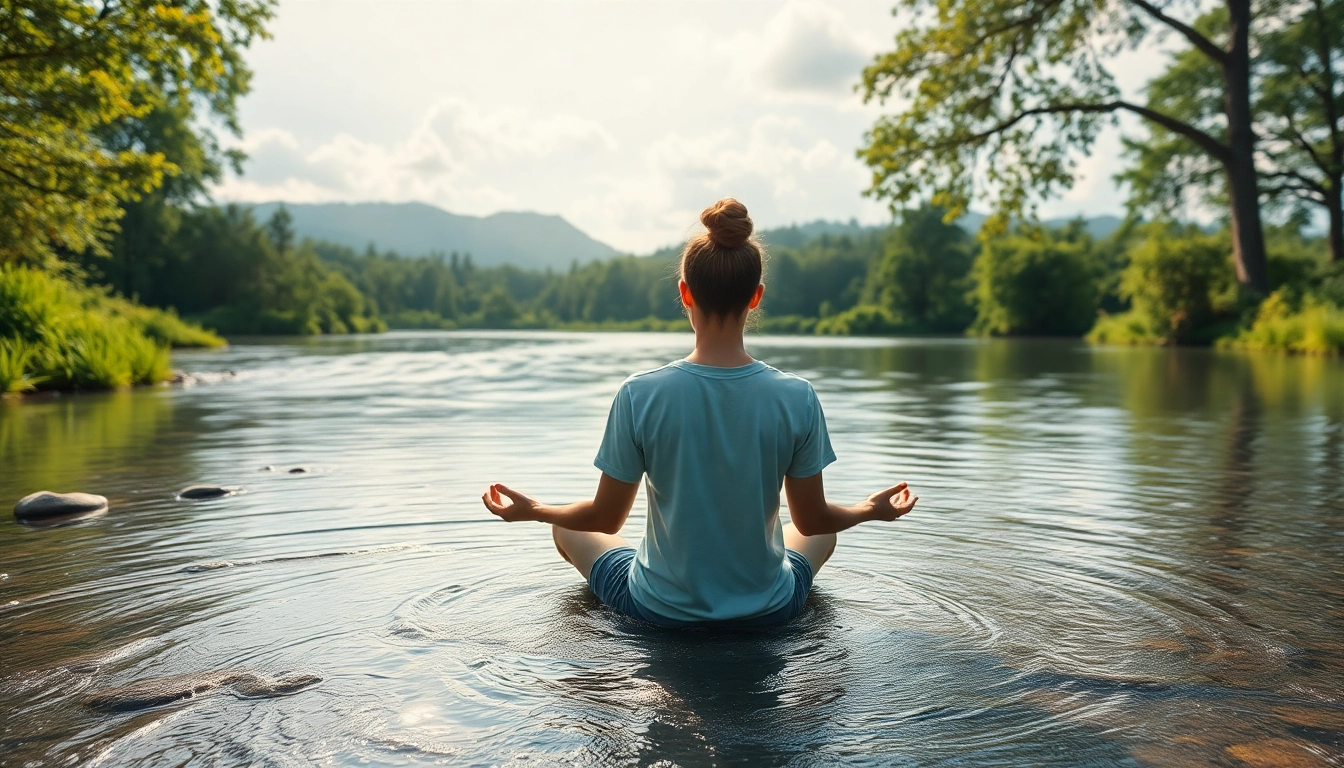
Understanding Stress and Anxiety
Defining Stress and Anxiety
Stress and anxiety are two common psychological states that millions around the world experience daily. While many use these terms interchangeably, it’s important to recognize their distinctions. Stress is typically a response to an external stimulus – such as a looming deadline or an argument with a friend – and can lead to feelings of pressure or tension. Anxiety, on the other hand, often arises without any identifiable cause and manifests as persistent worry or fear, sometimes even when an individual is in a safe or calm environment.
Both stress and anxiety can significantly impact our mental and emotional well-being, leading to various physical symptoms such as headaches, fatigue, and insomnia. For those looking to gain a deeper understanding of their mental health, exploring more about stress and anxiety is essential.
Common Triggers and Symptoms
Understanding the common triggers and symptoms of stress and anxiety can empower individuals to manage their mental health effectively. Triggers for stress can include work pressures, relationship problems, financial concerns, and major life changes, while anxiety can be exacerbated by similar situations but often includes internal fears and apprehensions.
Common symptoms of stress may include:
- Irritability or mood swings
- Difficulty concentrating
- Physical symptoms like headaches and stomach issues
On the other hand, anxiety can present symptoms like:
- Excessive worry and fear
- Restlessness or feeling on edge
- Panic attacks
Recognizing these symptoms can be the first step towards finding the right coping mechanisms.
The Impact of Stress and Anxiety on Daily Life
Stress and anxiety can significantly disrupt daily routines, impairing concentration, lowering productivity, and affecting personal relationships. They can lead to unhealthy coping strategies such as oversleeping, substance use, or avoidance of responsibilities. Moreover, chronic stress and anxiety can escalate to more severe mental health issues, including depression, leading to a cycle of suffering that may require professional intervention.
Addressing stress and anxiety is vital for overall well-being. Identifying triggers, understanding symptoms, and adopting effective coping strategies are essential steps toward maintaining both mental and physical health.
Mindfulness and Meditation Techniques
Introducing Mindfulness Practices
Mindfulness involves being present in the moment, which can significantly reduce the symptoms of stress and anxiety. By cultivating awareness of your thoughts and feelings without judgment, you create a mental space that allows for deeper reflection and emotional regulation. Mindfulness practices can vary, including mindful breathing, body scans, and even mindful walking.
Starting with simple exercises such as focusing on your breath for a few minutes each day can make a big difference. Gradually, you can build upon these practices to create a more comprehensive daily routine.
Effective Meditation Techniques
Meditation takes mindfulness a step further, providing structured techniques to foster calmness and clarity. There are various styles of meditation, such as focused attention meditation, loving-kindness meditation, and visualization techniques. Each has unique benefits; for instance, focused attention meditation can increase concentration while loving-kindness practices promote empathy and emotional resilience.
By incorporating just a few minutes of meditation into your daily routine, you can cultivate a sense of peace that counters stress and anxiety over time.
Establishing a Routine for Mindfulness
Establishing a consistent mindfulness routine can be a game-changer for those battling stress and anxiety. Begin by setting aside a dedicated time each day, even if just for five minutes. Create a comfortable space, free from distractions, where you can engage in mindfulness or meditation. This practice can evolve into a longer session as you become more accustomed to the techniques.
Consider integrating mindfulness into daily activities such as eating or walking. The key is consistency and approachability—using natural opportunities throughout the day to practice mindfulness regularly leads to greater long-term benefits.
Physical Activities to Alleviate Stress and Anxiety
The Role of Exercise in Mental Health
Physical activity is a powerful tool for combating stress and anxiety. Exercise promotes the release of endorphins, the body’s natural mood lifters, which can significantly alleviate feelings of stress. Regular aerobic activities like running, swimming, or cycling not only enhance physical health but also improve mental clarity and resilience.
Incorporating exercise into your routine doesn’t have to be arduous; even short walks can provide beneficial effects on mood and reduce anxiety levels.
Yoga and Its Benefits
Yoga combines physical movement, mindfulness, and breath control to help strengthen both the body and mind. The practice of yoga can be incredibly effective in reducing anxiety, as it encourages relaxation and the release of tension. Styles such as Hatha and Vinyasa yoga focus on breath coordination with movement, fostering a sense of inner calm that can counteract stress.
Cultivating Outdoor Activities for Relief
Connecting with nature through outdoor activities can further enhance mental well-being. Hiking, gardening, or even leisurely walks in a park can significantly lessen anxiety symptoms. Nature has been shown to improve mood, reduce feelings of stress, and promote mindfulness—all essential elements for managing mental health.
Scheduling regular outdoor time, whether alone or with friends, can serve as a grounding practice and a valuable escape from the hustle and bustle of daily life.
Nutritional Considerations for Mental Well-being
The Connection Between Diet and Stress
The foods we consume can have a profound impact on mental health, acting as either a catalyst for stress or a solution for managing it. Diets high in processed foods, sugar, and caffeine can exacerbate anxiety and stress levels, while nutrient-rich foods can support mental stability and improved mood.
Top Foods to Include for Reducing Stress
Incorporating specific foods into your diet can help alleviate stress and anxiety. Omega-3 fatty acids, found in fish like salmon and walnuts, have been shown to reduce anxiety. Dark chocolate can provide a quick mood boost due to its low sugar and high antioxidant content. Additionally, leafy greens like spinach are rich in magnesium, a mineral that stabilizes mood and reduces symptoms of anxiety.
Supplements That May Help Manage Anxiety
For some, dietary supplements can provide additional support in managing anxiety. Options such as omega-3 fatty acids, magnesium, and B vitamins have been linked with improved mental well-being. However, it’s essential to consult with a healthcare professional before introducing any new supplements into your regimen to ensure they align with your personal health needs.
Seeking Professional Help
When to Consider Professional Guidance
Recognizing when to seek professional help for stress and anxiety is crucial. If symptoms persist despite self-help efforts, interfere with daily functioning, or lead to deeper issues such as depression, it may be time to consult a mental health professional. Early intervention can lead to effective treatment and a speedy recovery.
Types of Therapy Options
Various therapies can help manage stress and anxiety effectively. Cognitive Behavioral Therapy (CBT) is designed to address negative thought patterns, while mindfulness-based therapies focus on enhancing present-moment awareness. Talk therapy, group therapy, and exposure therapy are other options that can providing support and coping mechanisms tailored to individual needs.
Building a Support System for Recovery
Building a robust support system is vital in navigating the challenges of stress and anxiety. Friends, family, and support groups can provide understanding and encouragement during tough times. Establishing open lines of communication with loved ones fosters connection, emotional relief, and accountability in managing mental health.
Frequently Asked Questions
1. What are some natural ways to manage stress?
Practice mindfulness, exercise regularly, maintain a healthy diet, and establish a support network with friends and family.
2. How can meditation help with anxiety?
Meditation increases self-awareness, reduces distractive thoughts, and trains the mind to focus, helping to alleviate anxiety symptoms.
3. Is there a link between diet and anxiety?
Yes, the foods you eat can greatly impact your mood. Nutrient-rich foods can stabilize moods, while processed foods can heighten anxiety.
4. When should I seek professional help for stress?
If symptoms persist, interfere with daily life or lead to deterioration in well-being, it’s advisable to consult a mental health professional.
5. What physical activities are best for reducing stress?
Activities like walking, running, yoga, and outdoor sports can help reduce stress levels and improve overall mental well-being.