
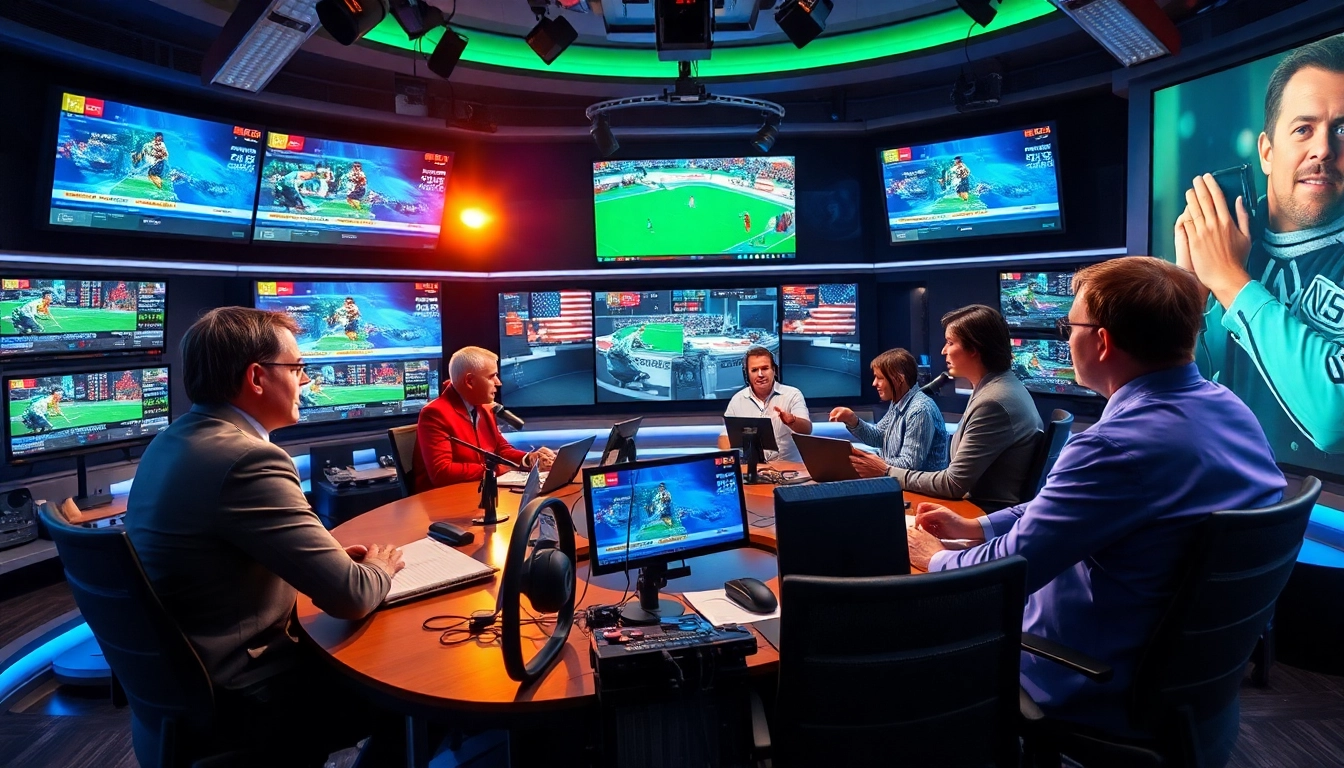
Understanding the Basics of Sports Broadcasting
What is Sports Broadcasting?
Sports broadcasting refers to the distribution of live or recorded sporting events through various media channels such as television, radio, and online platforms. It encompasses the entire spectacle of delivering sports content to audiences, combining storytelling, play-by-play commentary, analysis, and visuals to enhance the viewing experience. Broadcasters can choose to present content in different formats, including traditional live broadcasts, highlight shows, or digital streaming services. The primary goal is to engage viewers and create a connection with the events and athletes involved. For those interested in delving deeper into Sports Broadcasting, understanding these fundamentals is crucial.
The Evolution of Sports Broadcasting
Sports broadcasting has undergone significant transformations since its inception in the early 20th century. Initially limited to radio broadcasts of major games, it evolved in the 1950s with the advent of television, allowing fans to watch live events from the comfort of their homes. The introduction of color TV in the 1960s further enriched the experience, making it more immersive. As technology progressed, satellite and cable networks began to emerge, granting access to a broader spectrum of sports content. The digital age has introduced streaming platforms, which now dominate the landscape, allowing instant access to sports from around the world. This evolution reflects not only technological advancements but also shifting viewer preferences and consumption habits.
Importance of Sports Broadcasting Today
Today, sports broadcasting plays a vital role in the global economy, driving significant revenue through advertising, sponsorships, and subscription fees. It shapes cultural identity and fosters community engagement as fans rally around their favorite teams and athletes. Moreover, broadcasters act as key players in promoting sports by delivering engaging content that attracts both new fans and seasoned enthusiasts. The reach of sports broadcasting has expanded to encompass social media, enabling broader interactions and discussions among fans, enhancing the overall sporting experience.
Key Roles in Sports Broadcasting
On-Air Talent: Hosts and Commentators
The on-air talent is the face of sports broadcasting, including hosts, commentators, and analysts. These individuals possess a deep knowledge of sports, excellent communication skills, and the ability to engage audiences effectively. A good commentator does more than describe what happens on the field; they provide insights into player motivations, highlight statistics, and connect emotionally with viewers. They're often tasked with building narratives around games, creating anticipation, and making the audience feel as if they are part of the action. The chemistry between the on-air personalities can significantly impact a broadcast's success.
Production Crew: Behind the Scenes
Behind the scenes, the production crew ensures that broadcasts run smoothly. This team includes producers, directors, camera operators, and graphics designers, all working in harmony to deliver high-quality content. Producers are responsible for the overall structure and flow of the show, coordinating elements like interviews and highlights. Directors oversee the visual presentation, deciding which camera angles to use at any given moment. The crew's collaboration is crucial, as any misstep can lead to disrupted broadcasts, diminishing viewer experience. Training and experience are essential for crew members to master the fast-paced environment of live sports broadcasting.
Technical Support in Sports Broadcasting
A robust technical support system is critical in sports broadcasting. This includes engineers and IT specialists who ensure that all broadcasting equipment functions correctly. They manage transmission equipment, signal stability, and troubleshooting during live events. With advancing technology, the need for technical expertise continues to grow, especially with the incorporation of virtual reality and advanced graphics. Understanding network configurations, audio-visual equipment, and software for live streaming and editing is essential for technical teams to create seamless broadcasts that meet audience expectations.
The Technologies Shaping Sports Broadcasting
Broadcasting Equipment: An Overview
Broadcasting equipment is a fundamental pillar for delivering high-quality sports content. Essential tools include cameras, microphones, and editing software that drive the entire process. Modern sports broadcasts often utilize multiple camera angles to provide viewers with unique perspectives, from close-ups to aerial views. Additionally, high-definition equipment enhances visual clarity, making it easier for viewers to track the action. Furthermore, advancements in handheld and drone technology continue to offer innovative perspectives that captivate audiences. It is imperative for broadcasters to stay updated with technological trends to remain competitive in the industry.
Live Streaming Technologies
Live streaming has revolutionized how sports content is consumed. Platforms such as YouTube, Twitch, and specialized sports apps allow fans to watch games in real time, irrespective of geographical barriers. This demand for flexibility has led to the adoption of adaptive bitrate streaming technology, which adjusts the quality of the video stream based on the viewer's internet speed. Furthermore, organizations use encoding software to compress video files, ensuring efficient delivery to various devices without compromising quality. Embracing these technologies is essential for broadcasters to reach audiences where they are increasingly consuming content: on mobile devices and computers.
Post-Production Techniques
Post-production is where sports broadcasts receive their final polish before being presented to audiences. This stage involves editing recorded content, layering graphics, and adding transitions. Techniques such as slow-motion replays and highlight reels are crucial for emphasizing key moments in a game. Furthermore, graphics software enables the inclusion of real-time statistics and player information, deepening viewer engagement. Understanding narrative pacing, audio balancing, and color correction enhances the viewing experience and maintains the audience's interest. Effective post-production can elevate the quality of sports broadcasts significantly, making them not only informative but also visually appealing.
Best Practices for Engaging Sports Audiences
Building a Strong Broadcasting Brand
Establishing a strong brand is crucial in the competitive world of sports broadcasting. A distinctive brand in the industry gives broadcasters a unique identity that resonates with their audience. This can include developing a signature voice, consistent visual branding, or a unique approach to storytelling. Successful brands create a community around their content, making fans feel part of something larger. They engage viewers not just through games, but through narratives that highlight athlete achievements, fan stories, and local triumphs. Regularly evaluating audience feedback helps broadcasters adjust their strategies to enhance brand loyalty effectively.
Interacting with Viewers
In the age of social media, interaction between broadcasters and viewers is more critical than ever. Engaging fans through platforms like Twitter, Instagram, and Facebook allows broadcasters to share highlights, polls, and behind-the-scenes content, fostering a closer connection to the audience. Real-time interactions during broadcasts, such as responding to viewer questions or comments, can enhance audience engagement and promote loyalty. Sports broadcasters should also leverage user-generated content by encouraging fans to share their experiences during games, which can then be featured in broadcasts, creating a sense of community.
Using Social Media for Sports Broadcasting
Social media has become an indispensable tool in sports broadcasting, allowing for instant updates and audience engagement. Broadcasters can post game highlights, player interviews, and fan reactions in real-time, fostering a more immersive experience. Platforms like TikTok and Instagram allow for creative content that resonates with younger audiences, blending traditional broadcasts with modern digital storytelling. Utilizing hashtags, trends, and challenges can further increase reach and engagement. By strategically engaging audiences across social media, broadcasters can strengthen their community and maintain relevance in a rapidly changing media landscape.
Future Trends in Sports Broadcasting
The Impact of Virtual Reality on Broadcasting
Virtual reality (VR) is poised to reshape sports broadcasting by providing immersive viewer experiences impossible with traditional broadcasts. With VR technology, fans can experience games from unique perspectives, such as as if they were sitting in the front row or even on the field. This innovative approach allows viewers to select their angles, enhancing interaction and engagement. While VR is still in its infancy within sports broadcasting, its potential to attract new audiences and enhance viewer experiences is enormous. Broadcasters will need to explore partnerships and investments in VR technologies to remain competitive.
Data Analytics in Sports Broadcasting
Data analytics is becoming increasingly vital in sports broadcasting, offering deeper insights into both player performance and audience behavior. Broadcasters can leverage data to enhance storytelling, offering statistics and analytics during games to provide context. Utilizing audience metrics can inform scheduling and content creation, tailoring broadcasts to viewers' preferences. As technology advances, advanced analytics tools will enable broadcasters to provide real-time performance data, enriching viewer experiences and engagement. Adopting data-driven strategies allows broadcasters to stay relevant and responsive in understanding fan interactions and preferences.
Emerging Platforms and Opportunities
The rise of streaming services is creating new opportunities for sports broadcasting. Platforms like Netflix and Amazon Prime Video are beginning to produce sports content, diversifying their offerings. This shift not only addresses the audience's desire for on-demand viewing but also introduces unique storytelling styles that challenge traditional broadcasting methods. Additionally, the emergence of niche streaming platforms catering to specific sports or regions allows for more personalized viewing experiences. Broadcasters who adapt to these emerging trends will be better equipped to capture and engage different audience segments, ensuring their content remains relevant and visible in the diverse landscape of sports entertainment.
FAQs
What careers are available in sports broadcasting?
Careers in sports broadcasting include on-air talent (hosts, commentators), producers, directors, camera operators, and technical support roles such as sound engineers. Each role plays a critical part in delivering sports content to audiences.
How has technology changed sports broadcasting?
Technology has introduced live streaming, enhanced camera equipment, and data analytics, allowing for richer viewing experiences and real-time engagement with audiences. It continues to evolve, affecting how content is created and consumed.
Why is audience engagement important in sports broadcasting?
Audience engagement creates a strong community around sports broadcasts, leading to higher viewer loyalty and investment in content. Engaged audiences are more likely to interact with broadcasters, enhancing the overall experience.
What role does social media play in sports broadcasting?
Social media allows broadcasters to share updates, highlights, and engage directly with fans, fostering a community atmosphere. It enables real-time interactions and expands the reach of sports content across various demographics.
What trends should sports broadcasters watch for the future?
Key trends include virtual reality experiences, advanced data analytics for performance insights, and the growth of niche streaming platforms. Staying ahead of these trends is crucial for broadcasters aiming to engage evolving audiences.